
The Search That Found a Silence
👻 The Search That Found a Silence
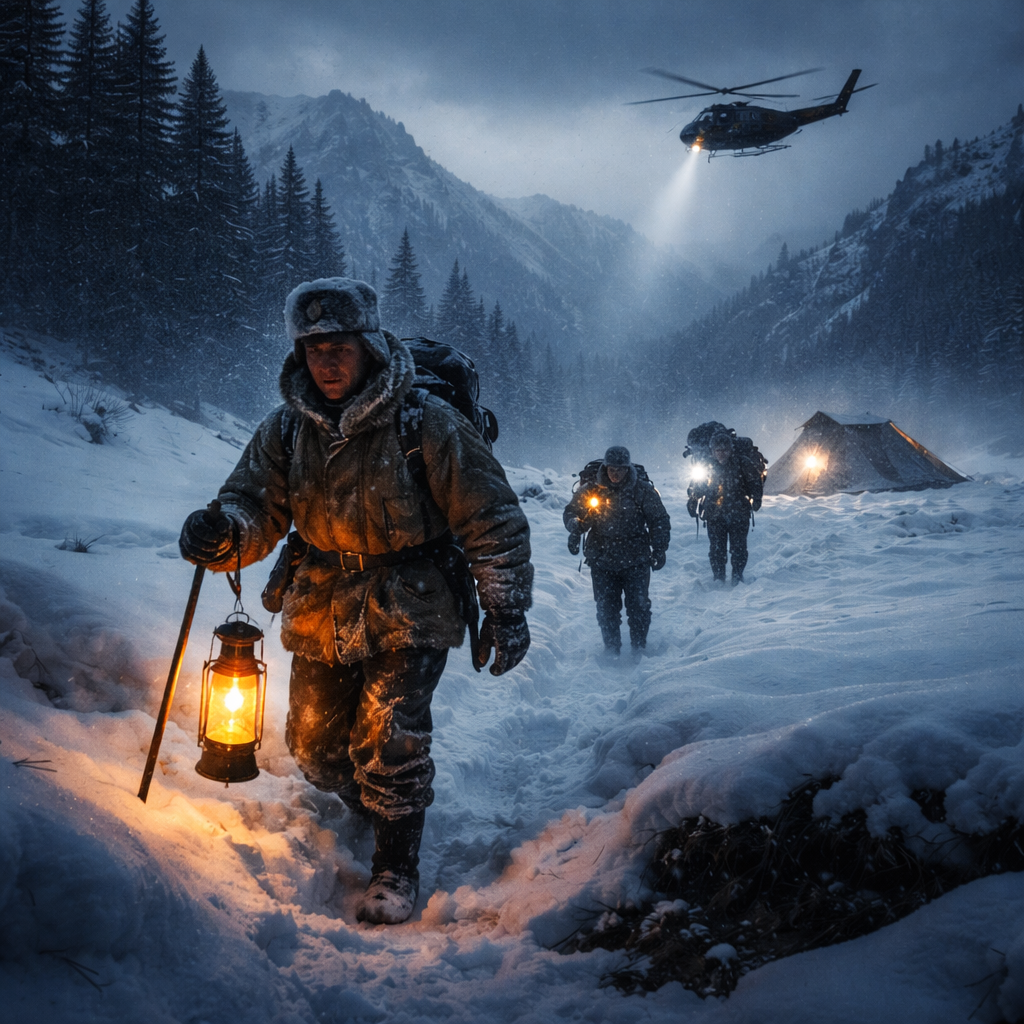
February 20, 1959 is the day the Dyatlov Pass mystery stops being a story told in warm rooms and becomes a problem the mountains have to answer. Families had waited past the expected return date, friends had checked routes and schedules, and the worry had finally hardened into action. Search groups were organized and sent out into the Northern Urals, into a landscape where snow can swallow footprints in minutes and wind can erase a camp as if it never existed.
The missing hikers were not novices. They were young, trained, and stubborn in the way serious trekkers can be, the kind of people who measure distance by breath and daylight, and who trust their gear because they have to. That is what makes the start of the search feel so heavy. You do not send people into that terrain unless something is truly wrong.
The first days would have been a slow grind of white horizons and dead quiet, the kind of quiet that makes every scrape of boot leather sound like a shout. Searchers would have watched for the ordinary signs first, a broken ski pole, a scrap of cloth, a cooking fire ringed in soot. But the Urals did not offer anything ordinary. The mountain held its cards close, and whatever happened out there had already cooled into evidence.
In cases like this, the timeline matters because it sets the tone. By February 20, the missing were no longer just late. They were absent. And in the cold, absence is not a neutral state. It is pressure. It forces decisions, it forces risk, and it forces people to imagine explanations before they have facts. Storm, injury, avalanche, misjudgment. Then the darker possibilities creep in, the ones nobody wants to say out loud, because once you name them, they start walking beside you in the snow.
What makes this date worth marking is that it is the moment the mountains begin to speak back, not with words, but with what they choose to reveal and what they keep. February 20 is the first step into a mystery that still refuses to sit still, even decades later.
Eyewitness Encounters
Share your encounter ↓Tell Us What You Saw